
[Weekly Retro] Knowing yourself
#275 - Mar.2026
Hi there!
Here is a quick idea for the weekend:
Today, "wisdom" seems one prompt away. You can ask about almost anything and get a detailed answer. The easier it gets, the more we crave.
Yet I stumbled upon Lao Tzu's quote: "Knowing others is intelligence; knowing yourself is true wisdom."
You can learn a new skill by studying frameworks, taking courses, watching YouTube channels. Studying yourself is harder, slower, and has no curriculum.
As knowledge becomes more accessible, I believe that what's left is our capacity to know ourselves. Deeply. By knowing ourselves better we improve:
Our intuition.
Our design taste.
Our judgment to make better decisions.
Here a simple exercise to start: whenever you feel certain about something, ask yourself, "How do I know I'm right?"
You might not like the answer. That's the point.
📖 Article I've been thinking about

Workers in the most exposed professions are more likely to be older, female, more educated, and higher-paid.
In line with other data showing that Claude is extensively used for coding, Computer Programmers are at the top, with 75% coverage, followed by Customer Service Representatives, whose main tasks we increasingly see in first-party API traffic. Finally, Data Entry Keyers, whose primary task of reading source documents and entering data sees significant automation, are 67% covered.
At the bottom end, 30% of workers have zero coverage, as their tasks appeared too infrequently in our data to meet the minimum threshold. This group includes, for example, Cooks, Motorcycle Mechanics, Lifeguards, Bartenders, Dishwashers, and Dressing Room Attendants.
🧪 Tools I'm experimenting with
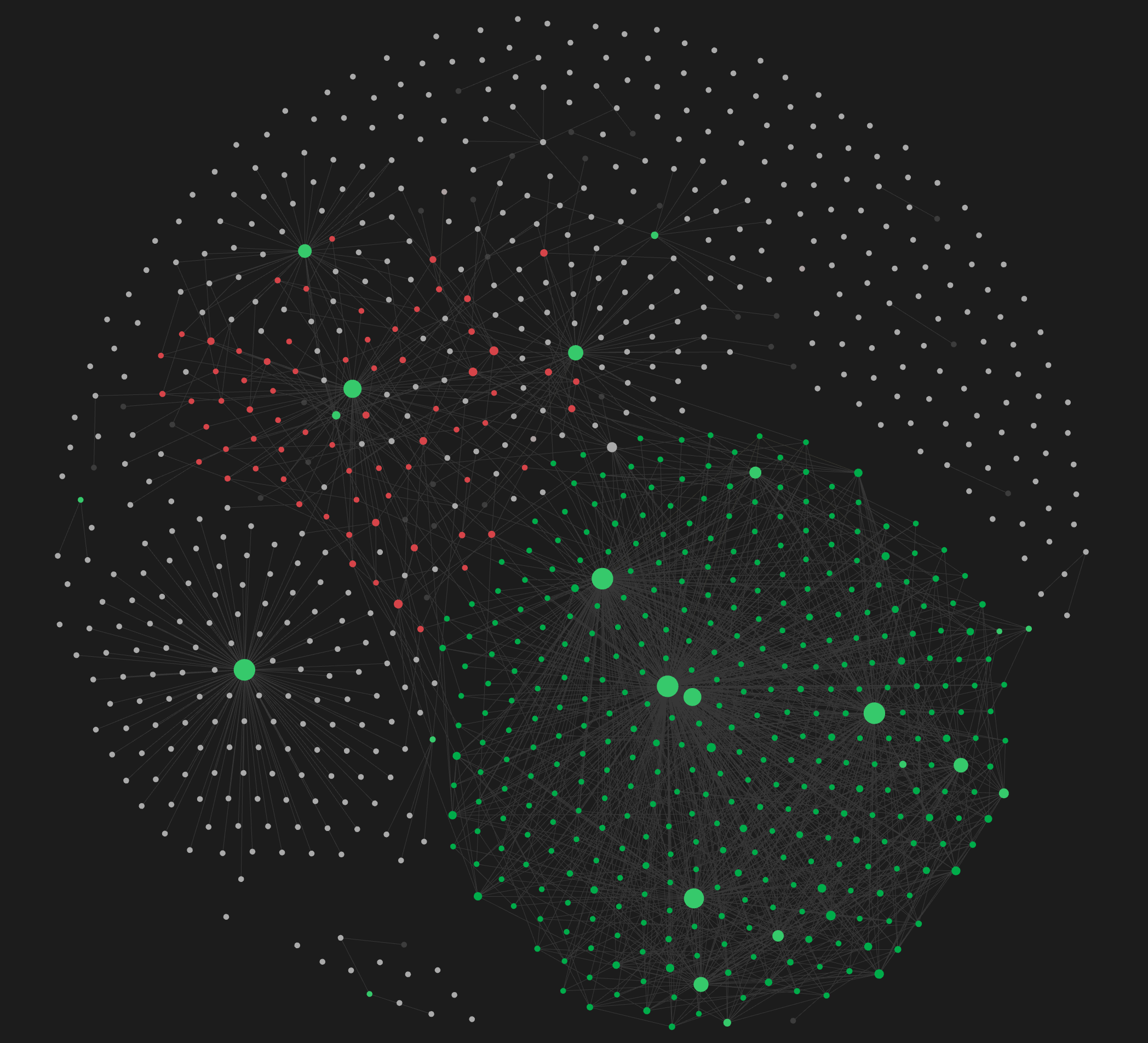
Over the years, I've collected 700+ digital notes. I used Apple Notes, because of the simplicity and natural integration with Apple's ecosystem. But I was so frustrated on how difficult it was to use old notes (knowledge base) including +250 posts I've written. I always had this dream: I wanted to write about something. I drop a new idea to a tool that could navigate a knowledge graph across all my previous notes in search of connections and patterns. I tried to code this logic into AppleScripts but didn't work that well.
Obsidian solved this. Obsidian was not new to me. I've tried to migrate a couple of times in the past but I was reluctant due to the formatting/editing (markdown files). But I was not aware on how fast you can adapt to this. (thanks to my friend A.A. for convincing me!)
Now I added a secret sauce: powering Obsidian with Claude Code agents that uses Obsidian CLI to navigate and use the knowledge graph.
My take in these few weeks coupling these 2 tools: Impressed! I'm discovering so many possibilities by finding pattern and connecting ideas across multiple domains. This combination it's super powerful!
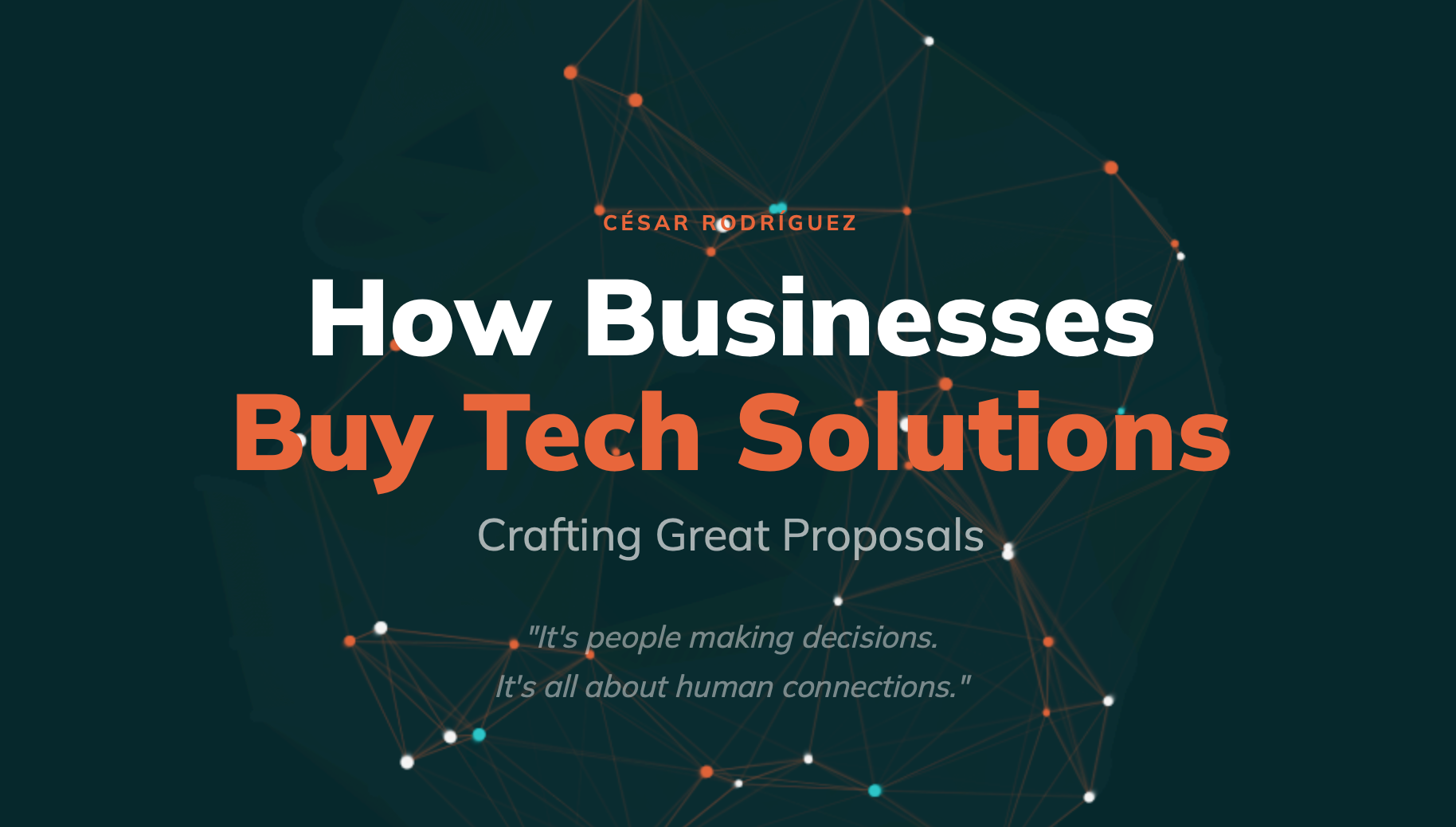
🎁 New free deck you can check
Mental models for managing AI-driven products: New mindset to navigate the complexities of AI product management.
 César Rodríguez · cesarrg.com
🖋️ Quote of the week
“Knowing others is intelligence; knowing yourself is true wisdom.” – Lao Tzu